

Islam, the Hui and Localisation in China
- Regular price
- RM 70.00
- Sale price
- RM 70.00
- Regular price
-
RM 70.00



Share
Islam, the Hui and Localisation in China
Author: Tan Chee-Beng
Publisher: Strategic Information and Research Development Centre (SIRD)
ISBN: 9786297575643
Weight: 341 g
Pages: 177 pp
Year: 2026
Price: RM70
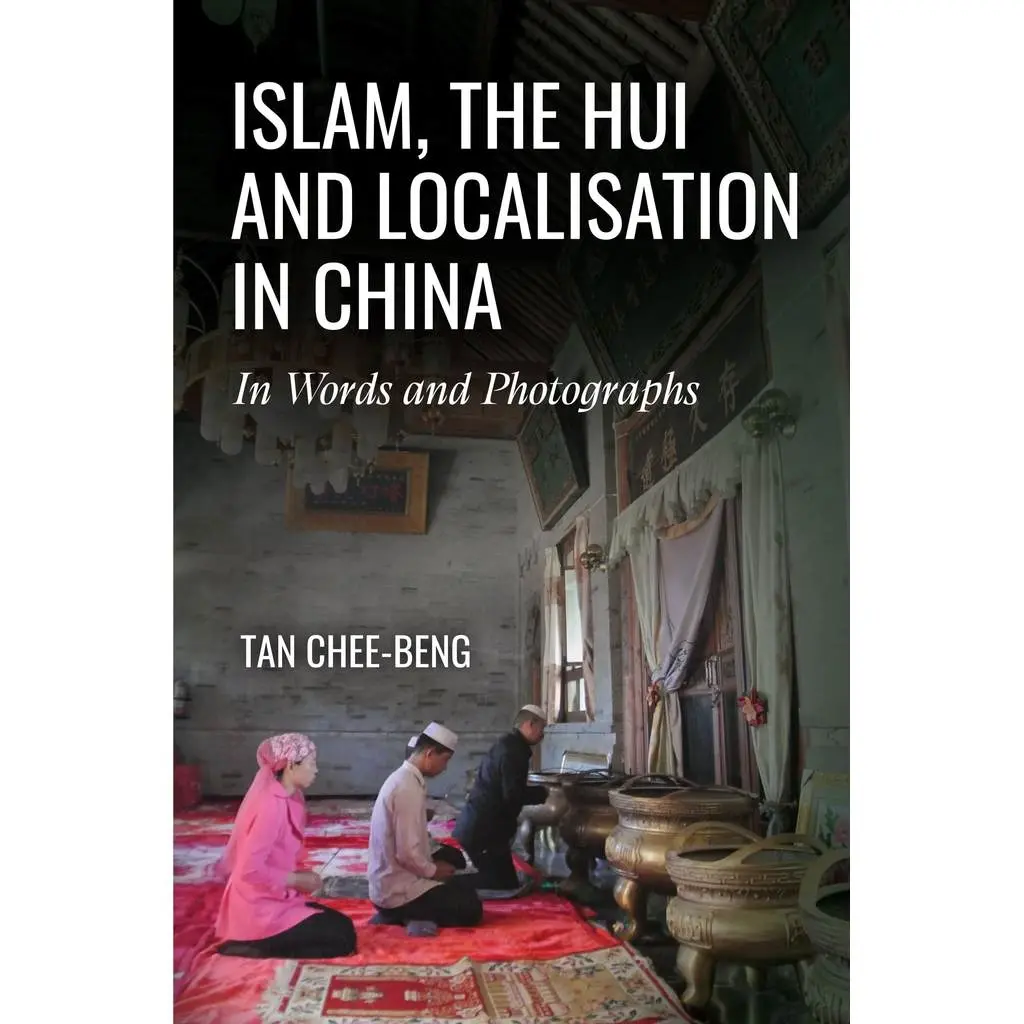
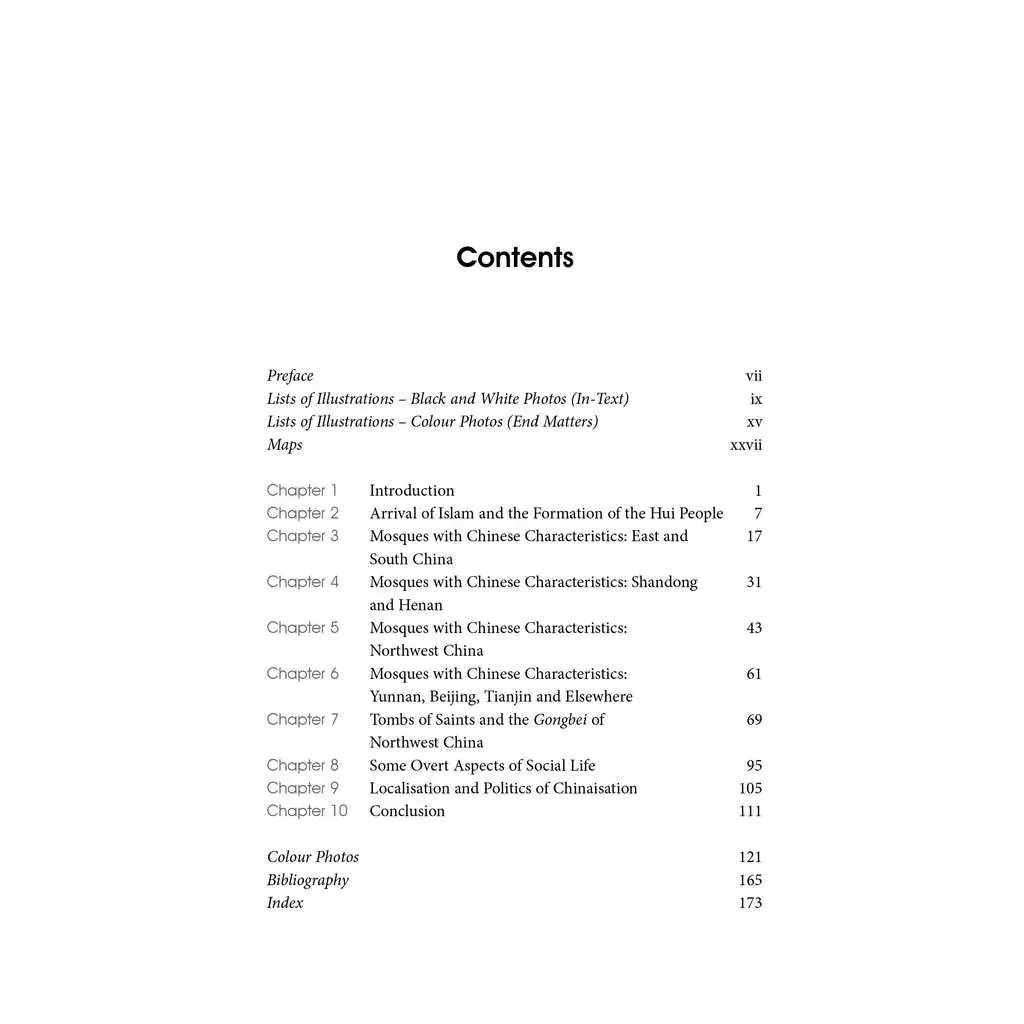
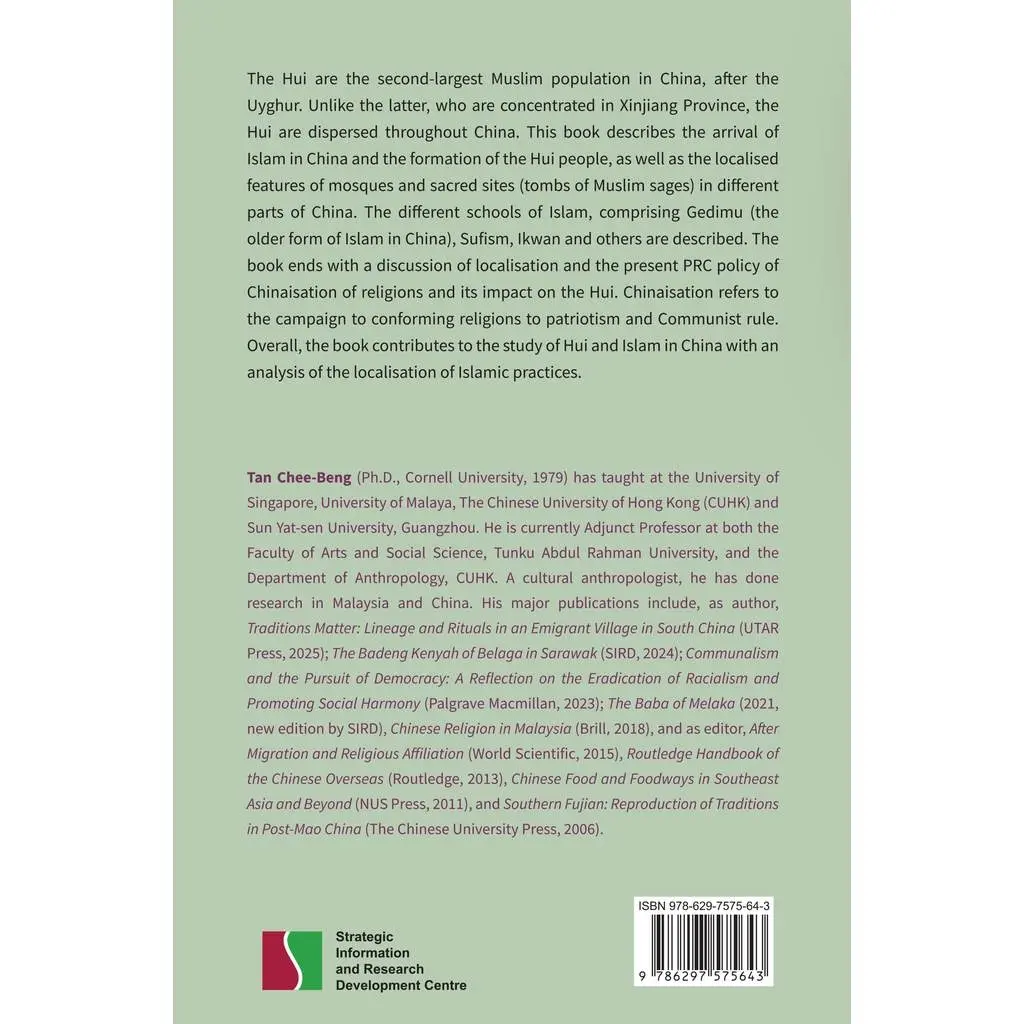
In ‘Islam, Hui and Localisation in China: In Words and Photographs’, Professor Tan Chee-Beng (Ph.D., Cornell University) provides an in-depth research of the Hui, the Chinese Muslims of China, with a primary focus on how Islam is integrated into Chinese culture throughout centuries via the architecture of mosques and other religious sites that are sacred to the Hui.
The book lays out the arrival of Islam into China via trade and why it was embraced by a substantial Chinese population due to its compatibility with traditional and spiritual practices of the Chinese, such as Taoism and Confucianism. Ample references are given to expert writings on China as well as Chinese philosophy.
As Islam continues to be integrated into Chinese culture through various dynastic rule, Prof. Tan Chee-Beng explains how this combination of religion and culture formed the establishment of the Hui as a distinct Chinese subgroup. The contribution of the Hui throughout Chinese history and major Hui political and diplomatic figures are referred to, further establishing that the Hui people were not a minor faction but an important group with major contributions to Chinese history.
Walking chronologically through time, emphasis is also given to the evolution of the Hui people as well as the treatment and policy of the various dynasties towards the Hui and the acceptance of Islam in China, particularly the impact of Cultural Revolution and the campaign of patriotism and Chinese nationalism following Communist rule.
With firsthand accounts from the writer and plenty of photographic evidence, this book illustrates to the reader the current national attitude and treatment towards Islam and the Hui in China as well as the campaign of ‘Chinaisation’, in which religion and diverse cultural practices are, sometimes forcefully, ushered towards a homogeneous ‘Chinese identity’.