

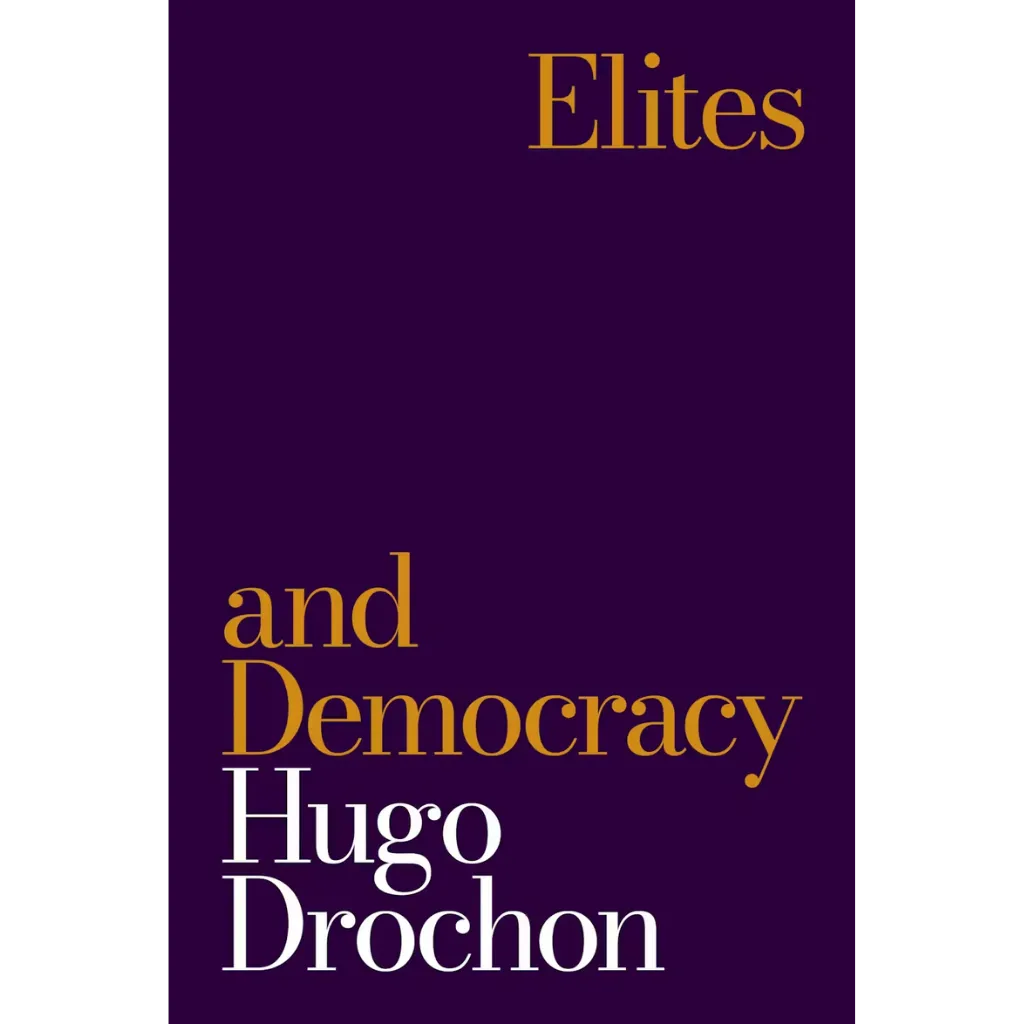
Elites and Democracy - Hardback
- Regular price
- RM 188.00
- Sale price
- RM 188.00
- Regular price
-
RM 188.00



Share
Elites and Democracy - Hardback
Author: Hugo Drochon
Publisher: Princeton University Press
ISBN: 9780691181554
Year: 2026
Pages: 296
Weight: 0.6kg
Price: RM188
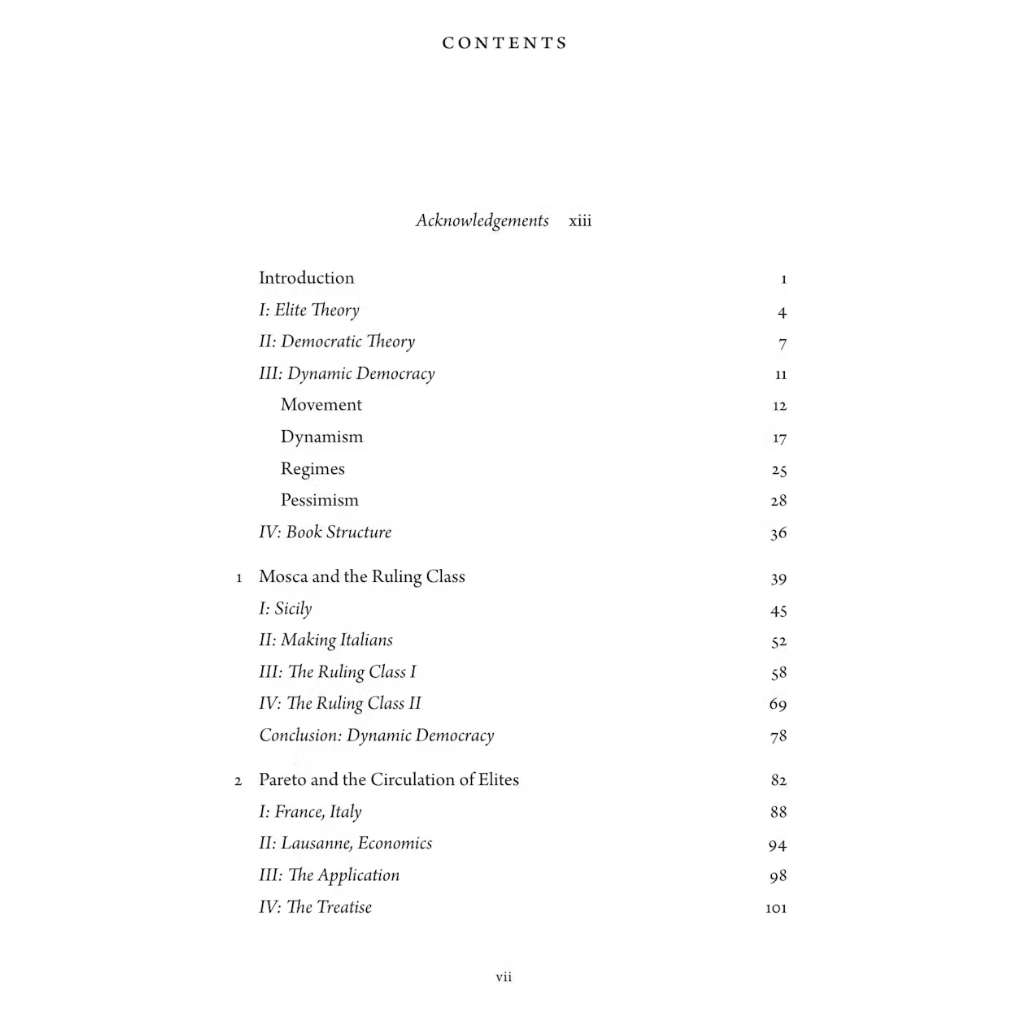
A central paradox of democracies is that they are always ruled by elites. What can democracy mean in this context? Today, it is often said that a populist revolt against elites is driving democratic politics throughout the West. But in Elites and Democracy, Hugo Drochon argues that democracy is more accurately and usefully understood as a perpetual struggle among competing elites—between rising elites and ruling elites. Real political change comes from the interaction between social movements and elite political institutions such as parties. But, although true democracy—the rule of the people—may never be achieved, striving towards it can bring about worthwhile democratic results.
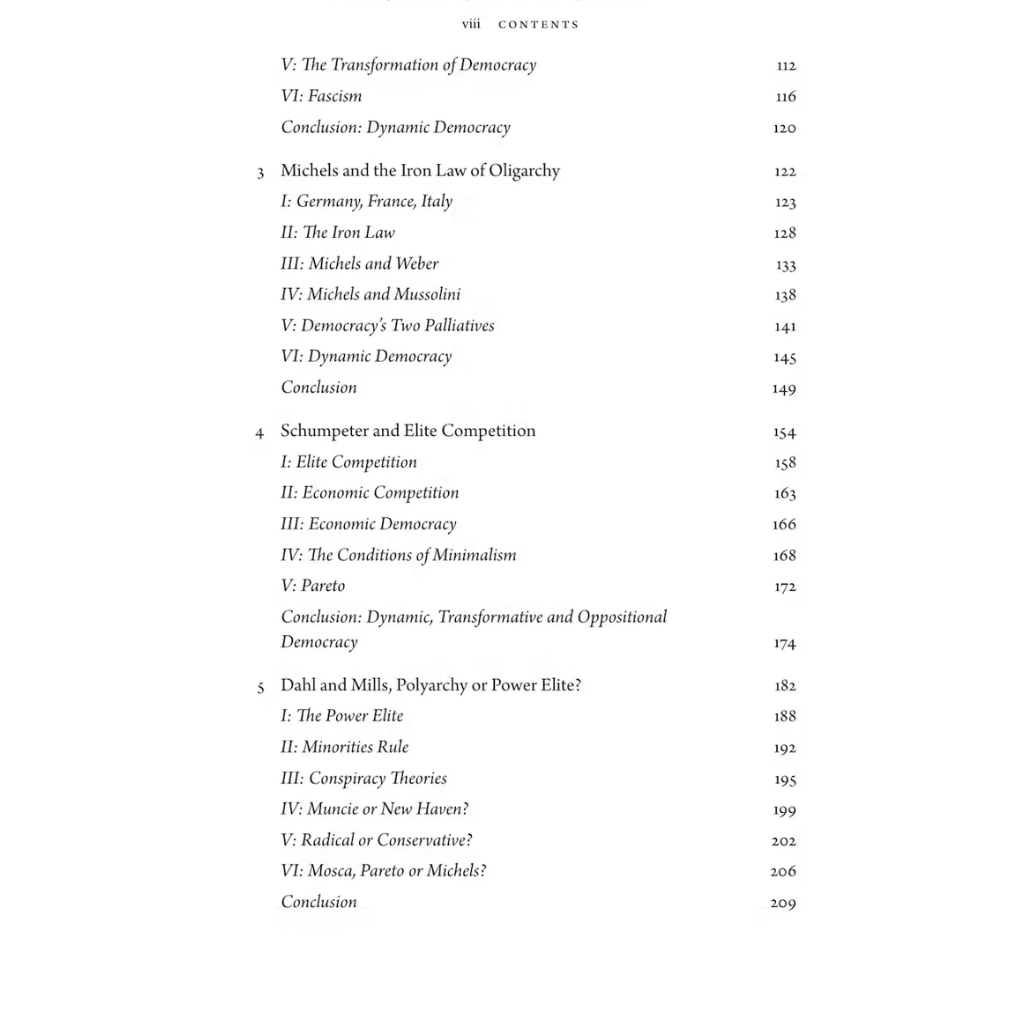
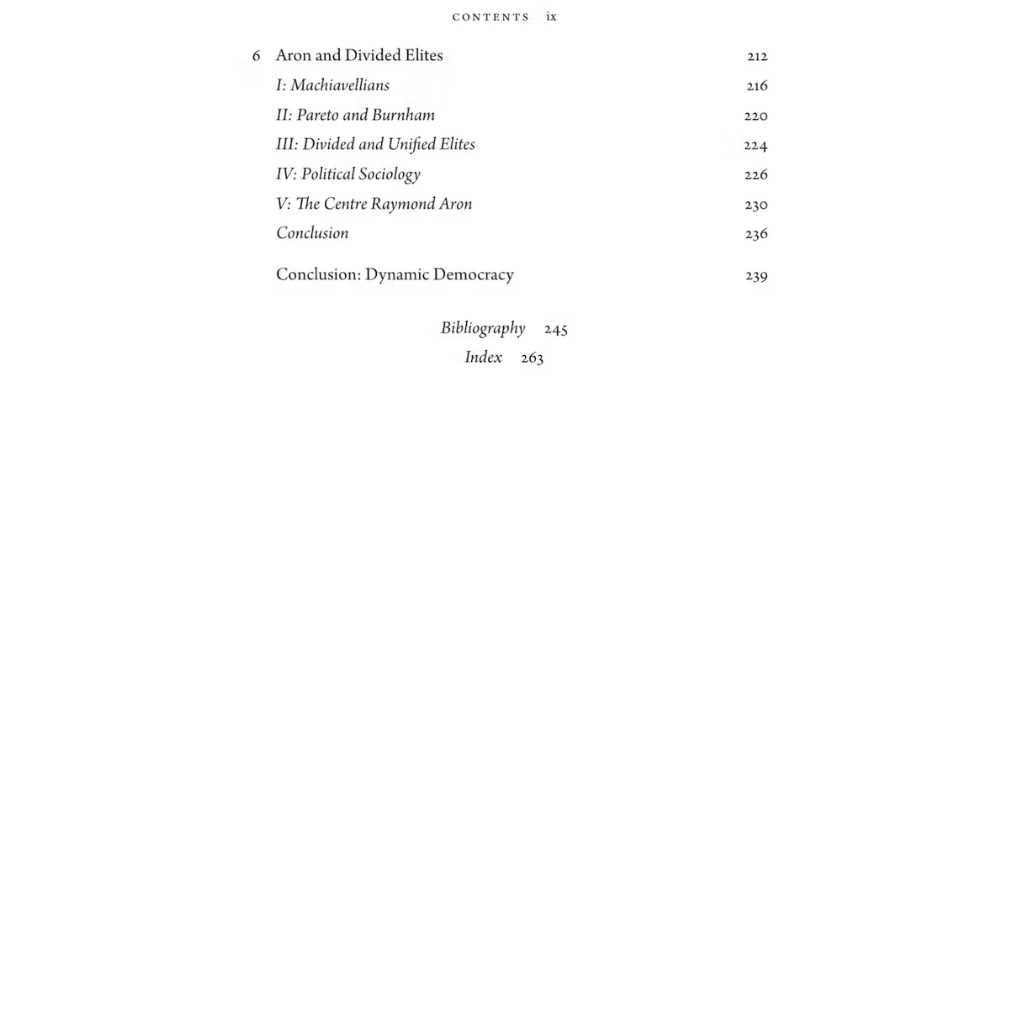
At the turn of the twentieth century, Gaetano Mosca, Vilfredo Pareto, and Robert Michels put forward “elite” theories of democracy and gave us terms such as the “ruling class” and “elites” itself. Drawing on their work and tracing the history of democratic thought through figures such as Joseph Schumpeter, Robert Dahl, C. Wright Mills, and Raymond Aron, Elites and Democracy reveals that this fundamentally elitist basis of democracy—democracy understood as competition between elites—was there all along. The challenge is to think it anew.
Moving away from procedural or principled conceptions of democracy, Elites and Democracy develops a dynamic theory of democracy, one grounded in movement. With current politics defined by a populist backlash against elites, dynamic democracy offers the tools we urgently need to understand our contemporary predicament and to act upon it.