

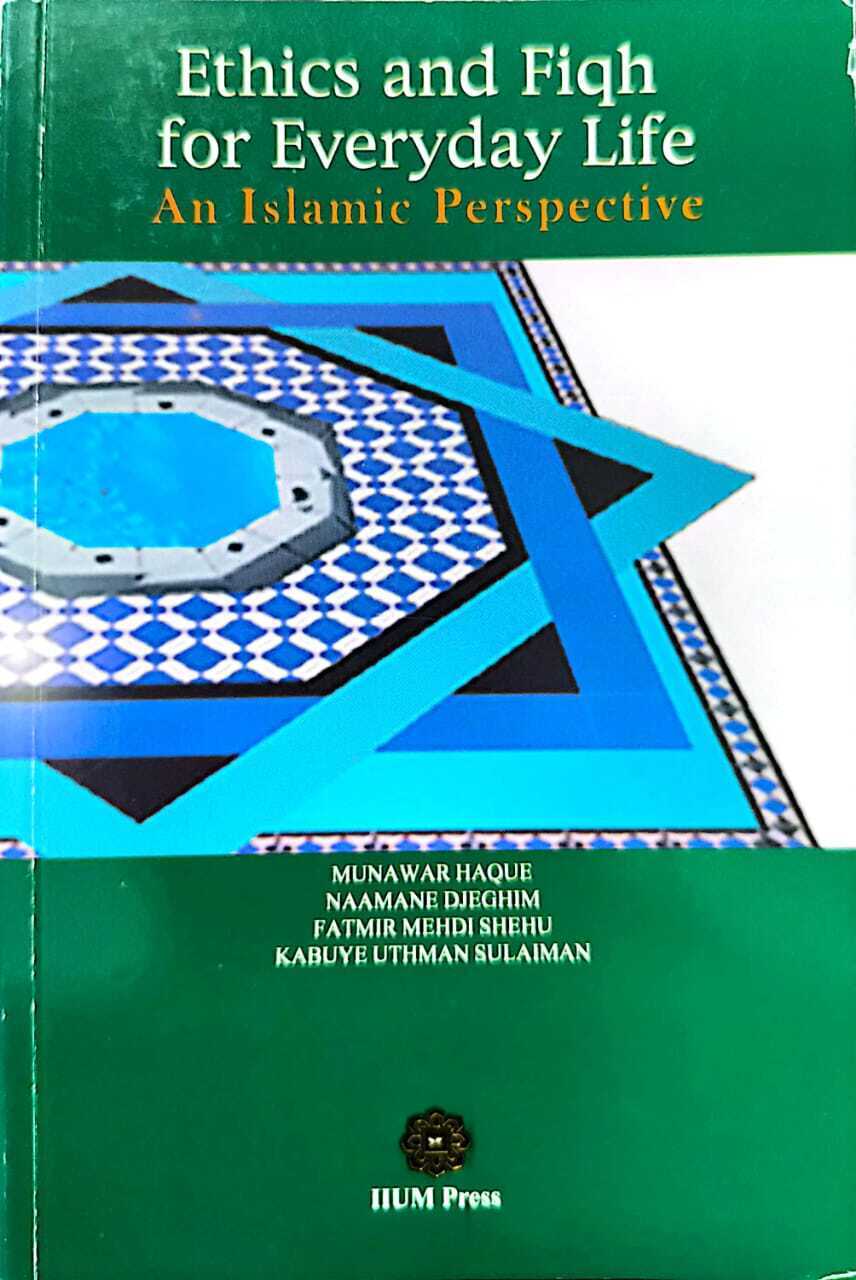
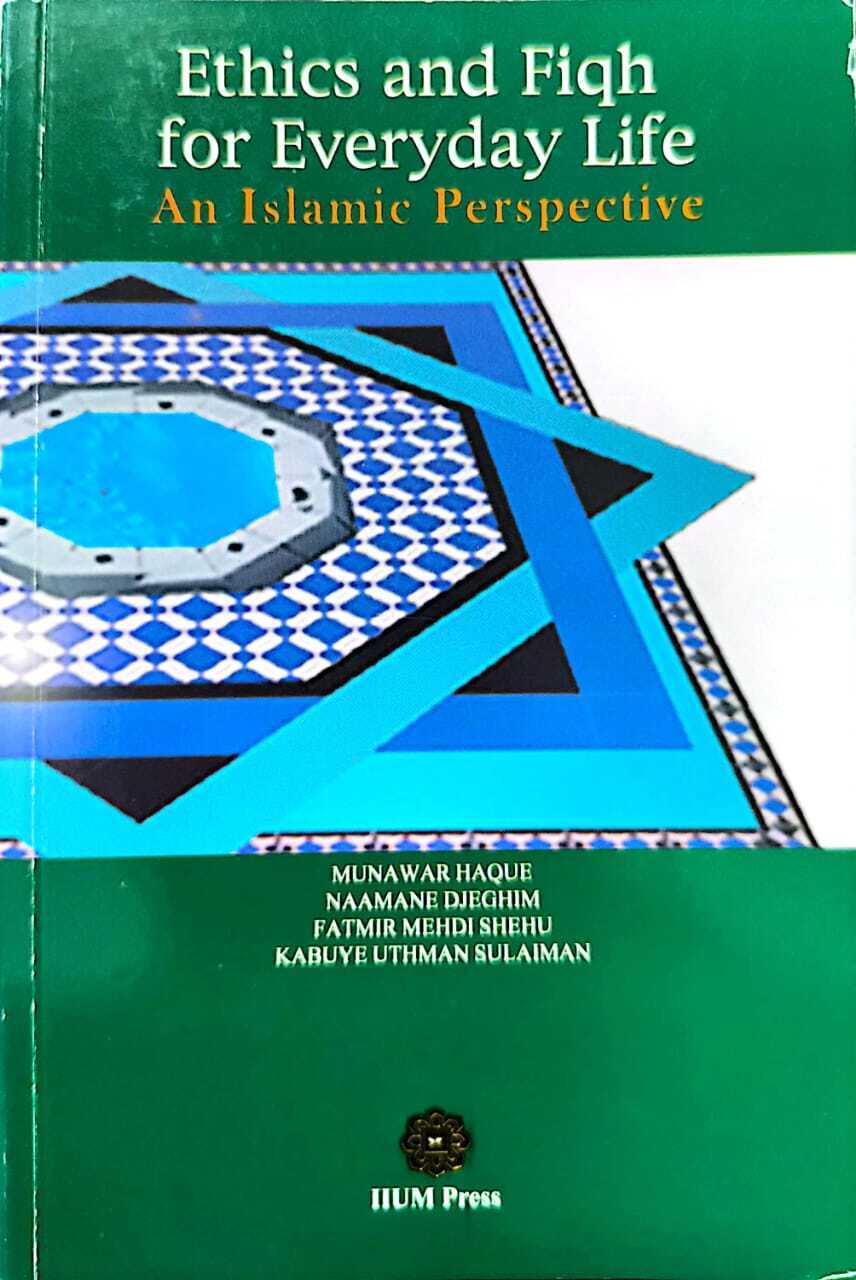
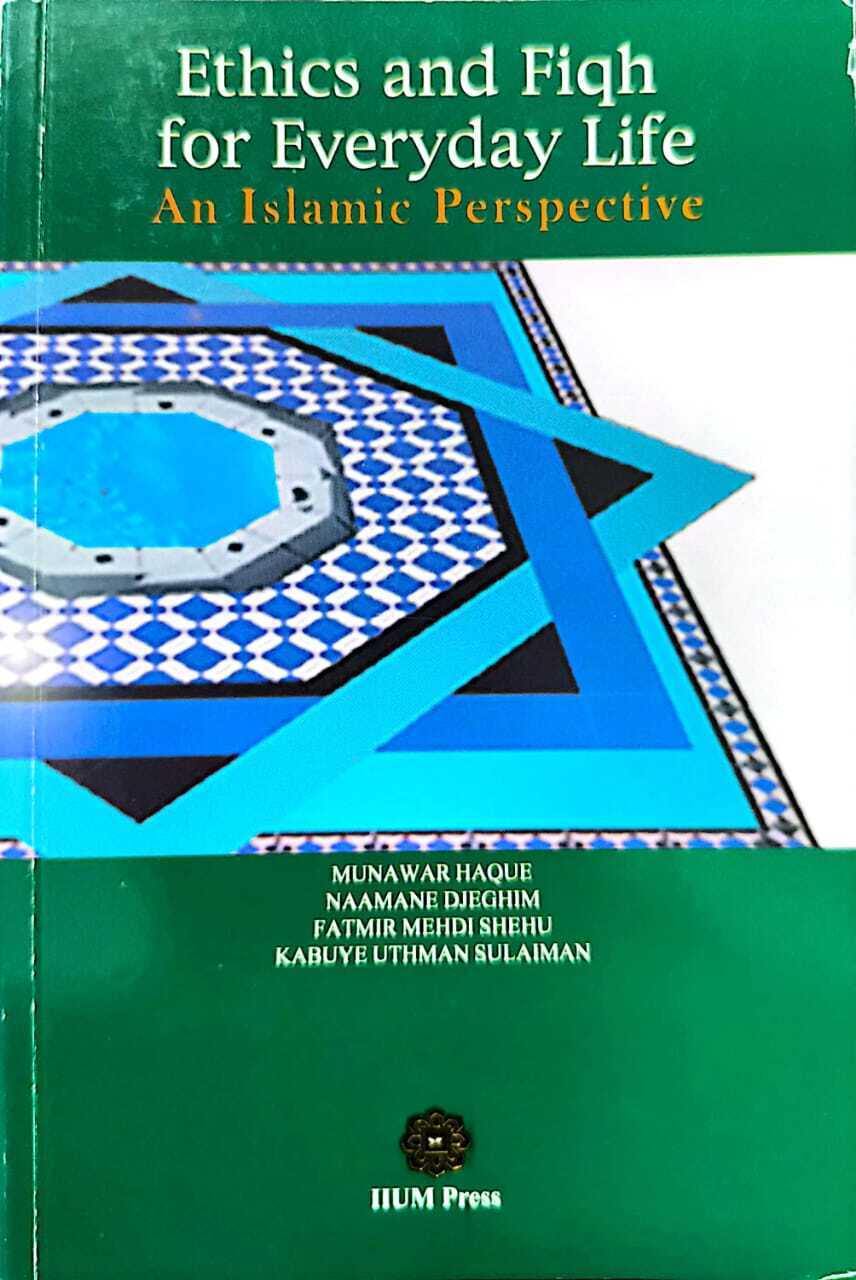
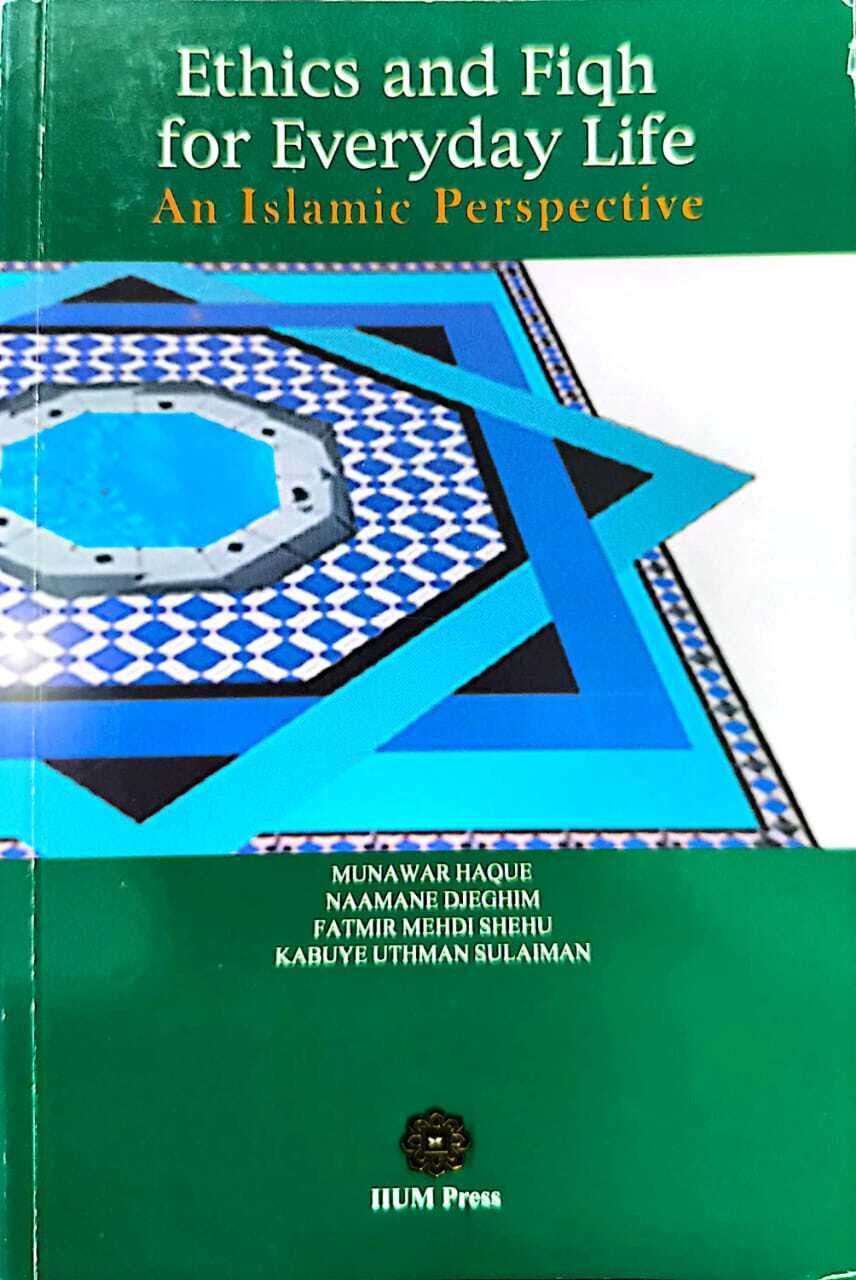
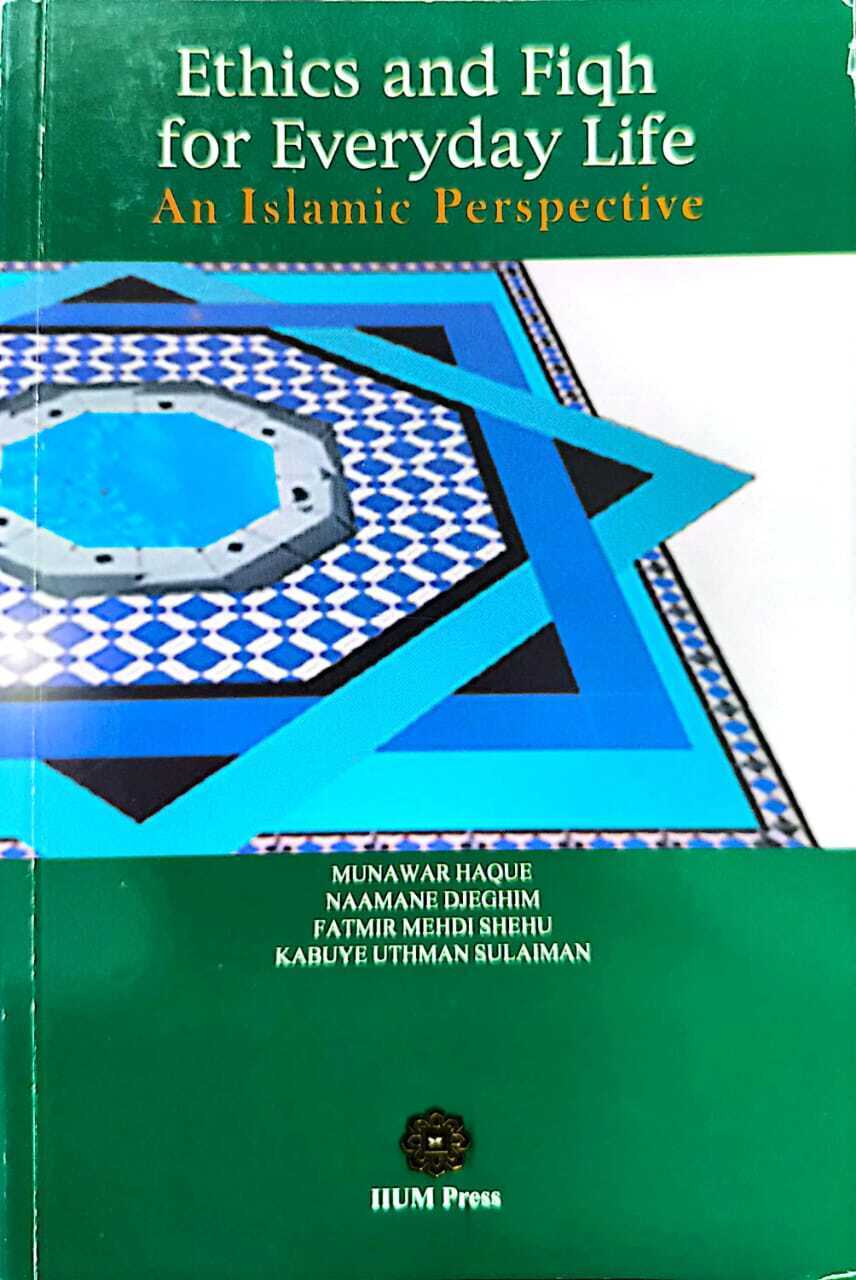
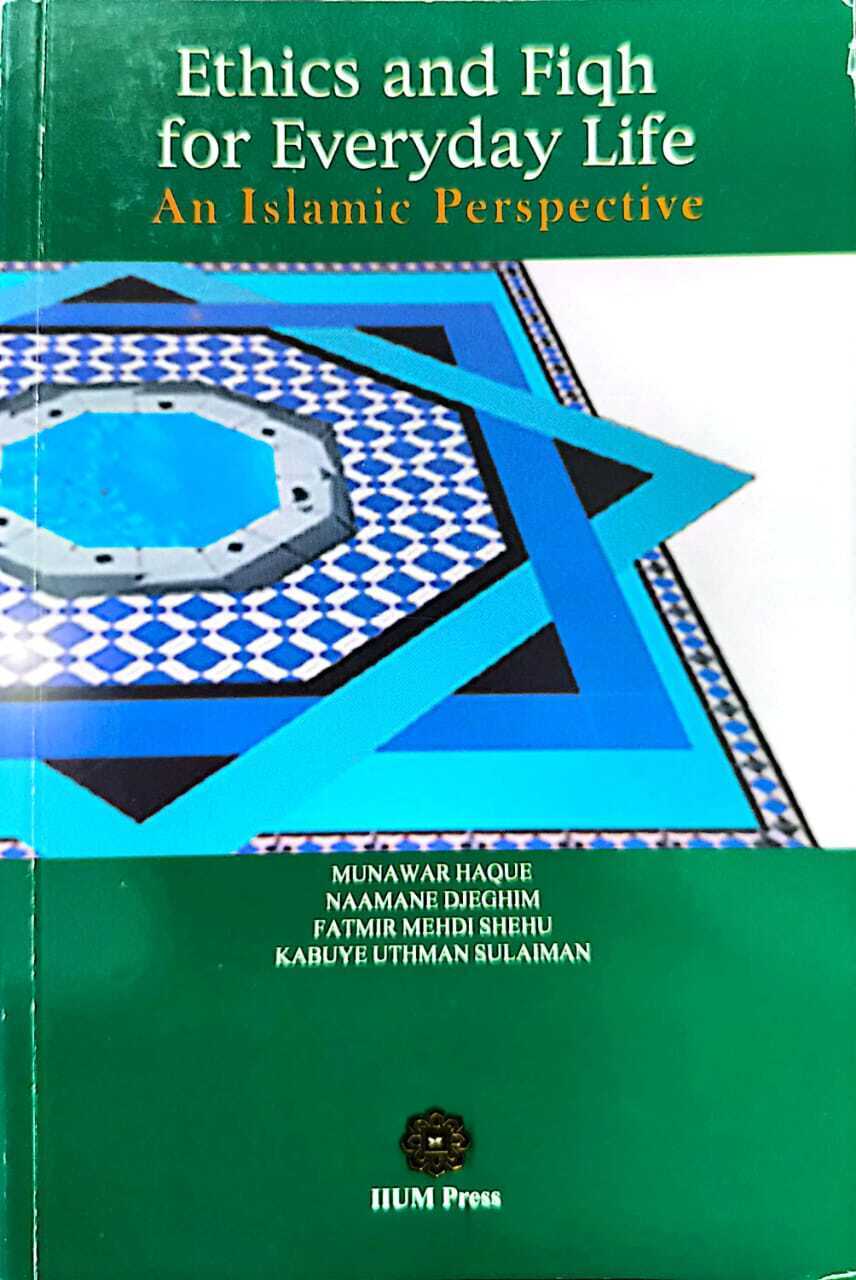
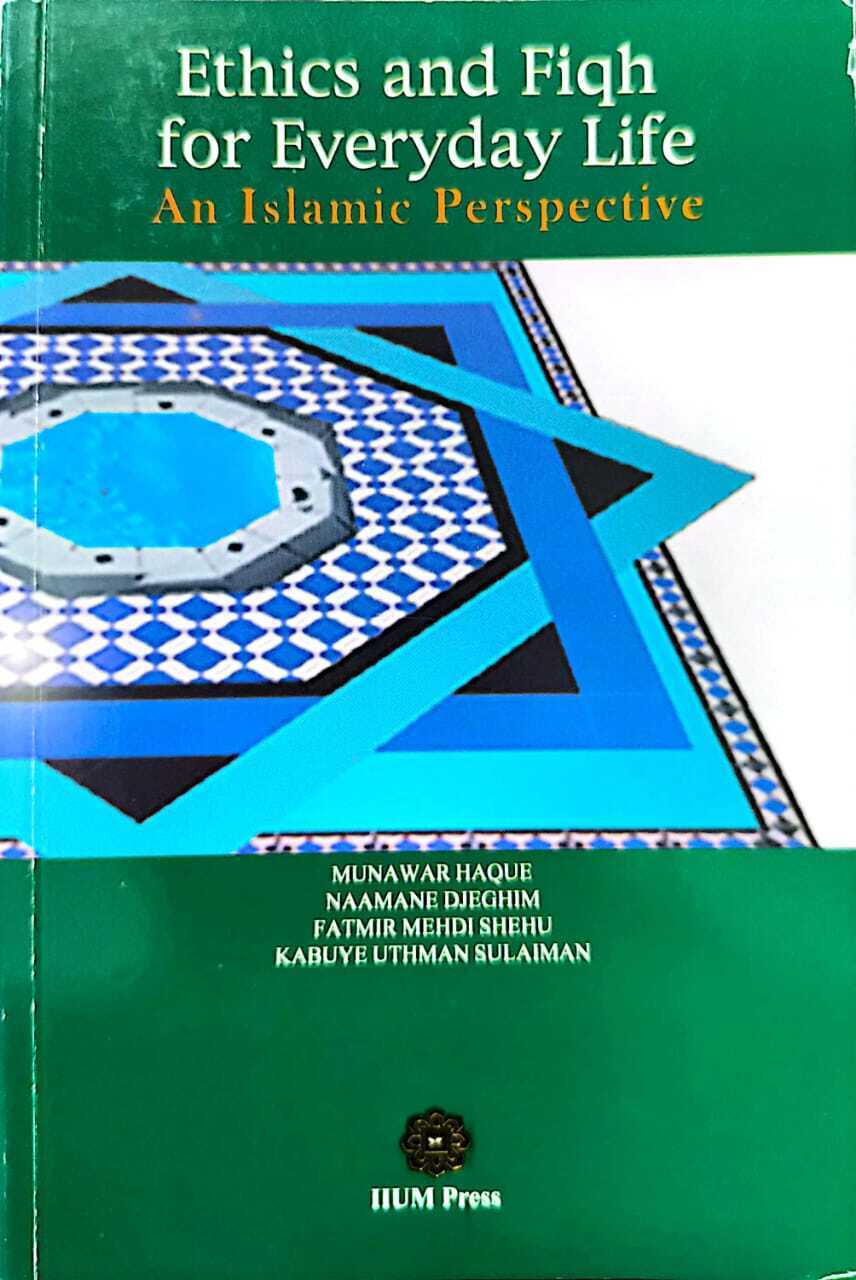
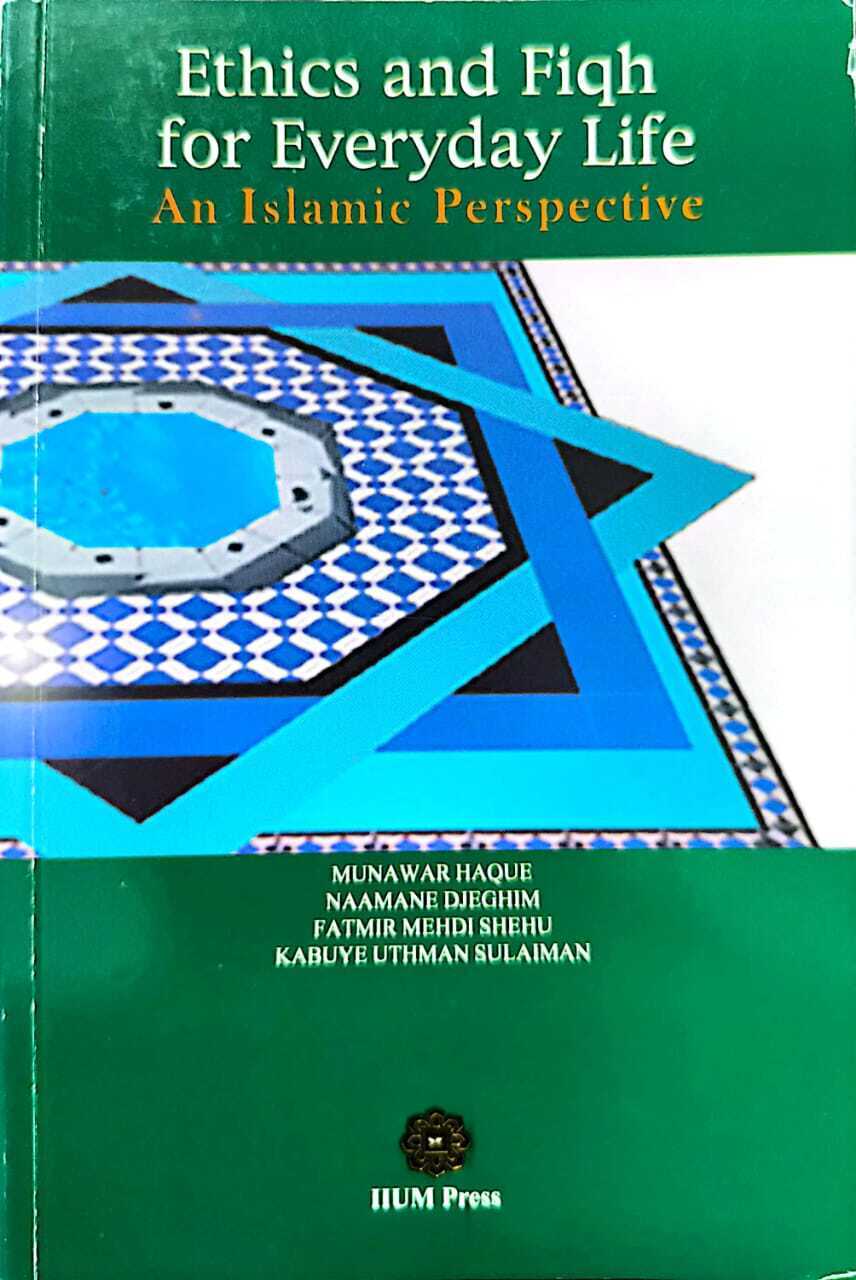
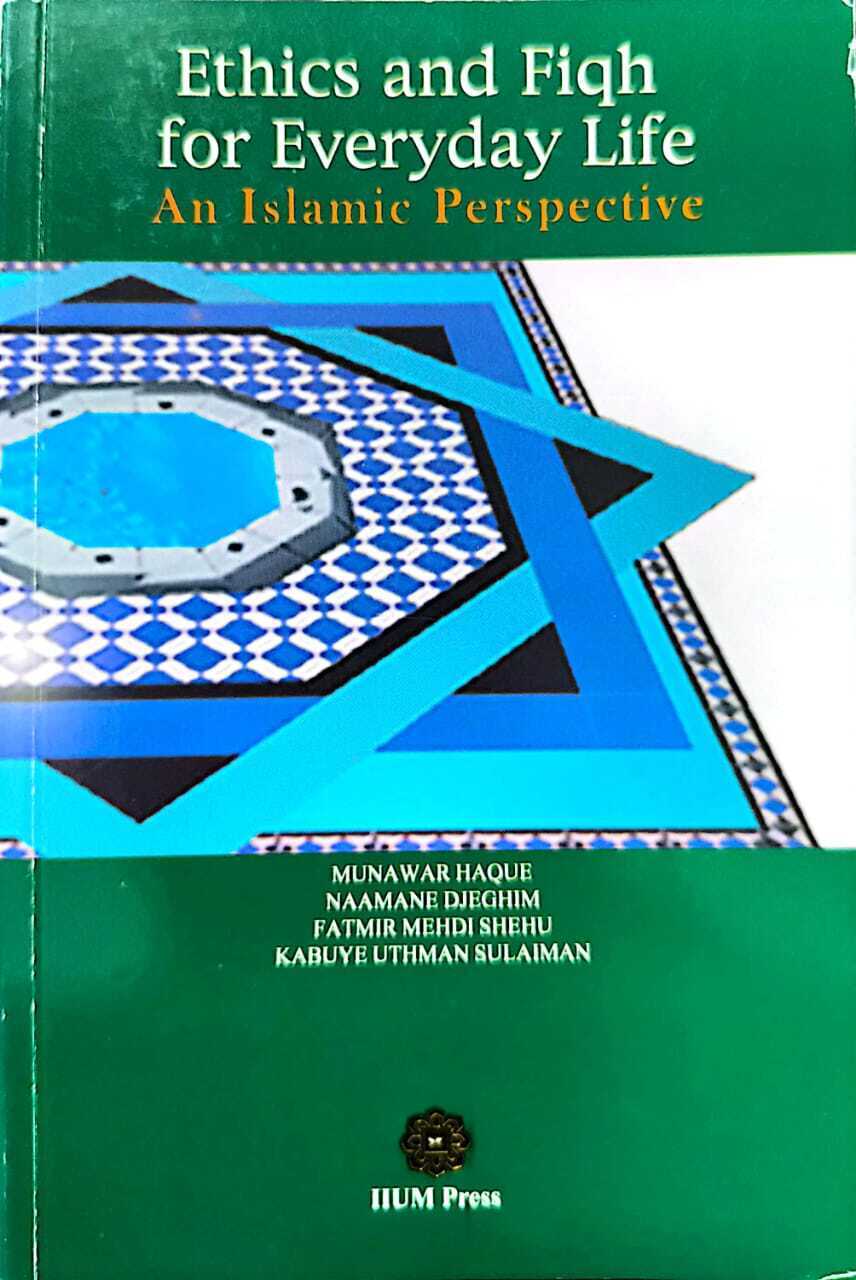
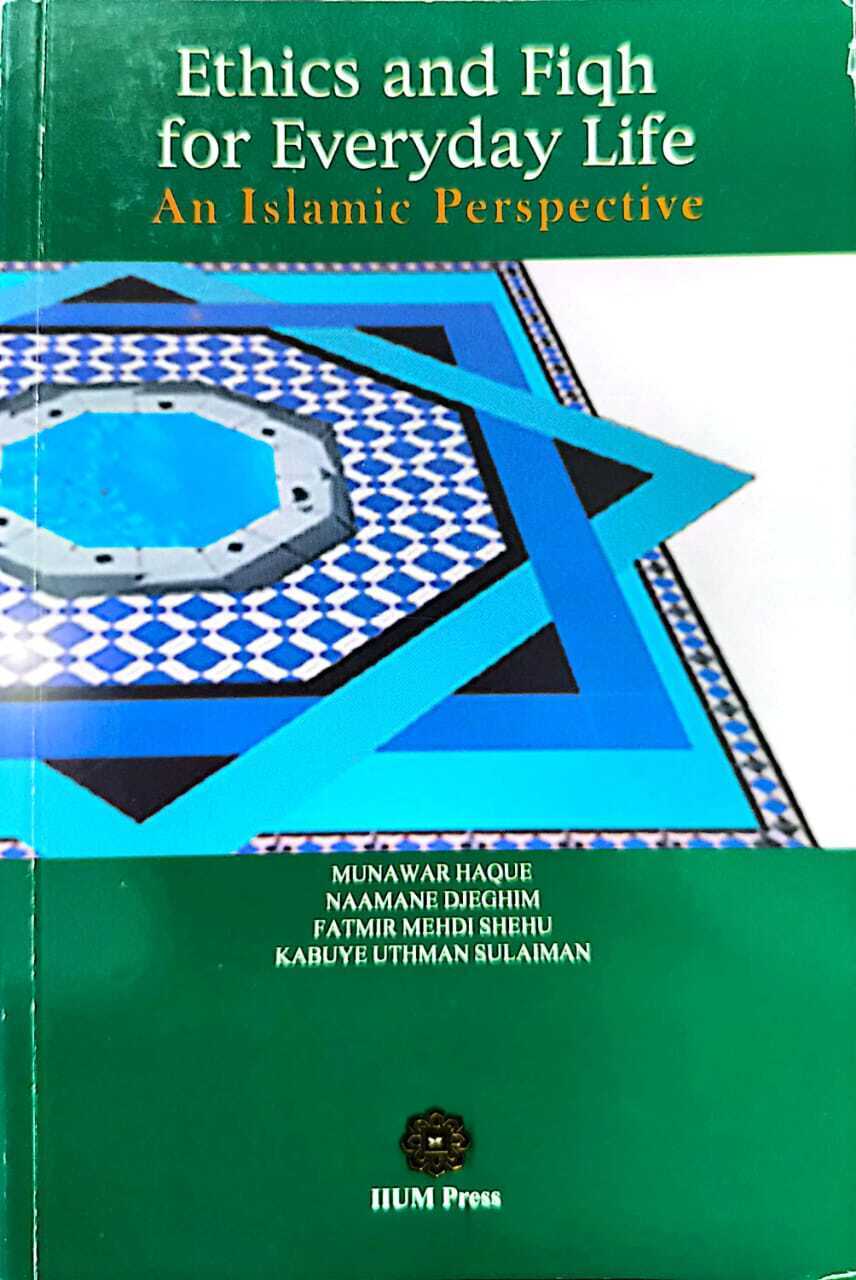
Ethics And Fiqh For Everyday Life: An Islamic Perspective
- Regular price
- RM 36.00
- Sale price
- RM 36.00
- Regular price
-
RM 36.00



Share
Ethics And Fiqh For Everyday Life: An Islamic Perspective
Author: Munawar Haque, Naamane Djeghim, Fatmir Mehdi Shehu & Kabuye Uthman Sulaiman
Publisher: IIUM Press
ISBN: 9789675272523
Weight: 0.4 kg
Pages: 241 pp
Year: 2012
Price: RM36
This book is an outcome of efforts made to consolidate the main topies covered in the course entitled 'Ethics and Fiqh for Everyday Life: An Islamic Perspective. The course is taught as a university required course at the International Islamic University Malaysia (IIUM).
Ethics generally refers to a science concerning the question of right and wrong in matters pertaining to human conduct. Moral codes in Islam stress the nature of relationship that must exist between man and God. Muslims believe that moral standards come from God, and as such, they are timeless and universal, and should govern man's conduct in all aspects of his life. The term fiqh was used in the early days in a comprehensive way to include the tenets of Islam, its ethics, Islamic law, and the questions relating to the spiritual aspects of things. In the technical sense, however, it is restricted to Islamic law alone.
The book reviews the evolution of Islamic ethics and fiqh over time. It discusses some fundamental concepts in Islamic ethics such as al-amanah (trust), al-'adl (justice), al-hirr (righteousness), and al-'amr bi al-ma'ruf wa al-nahy 'an al-munkar (enjoining good and forbidding evil). The book includes an elaboration on family ethics in Islam, the relationship between ethics and profession, and the ethics governing interpersonal relationships. There is also a discussion on Islam and the environment, followed by explanations about Rib? (interest), Islamic financing and some of the issues and implications thereof. An attempt is also made to look very briefly at the legal and moral aspects of some contemporary biomedical issues within the context and scope of Islamic faith and ethics, such as contraception, infertility, artificial insemination, surrogate parenthood, abortion, plastic surgery, euthanasia, organ transplantation, transsexualism and others. To support the various arguments, the book provides copious textual evidence from the Qur'an and the Sunnah.