

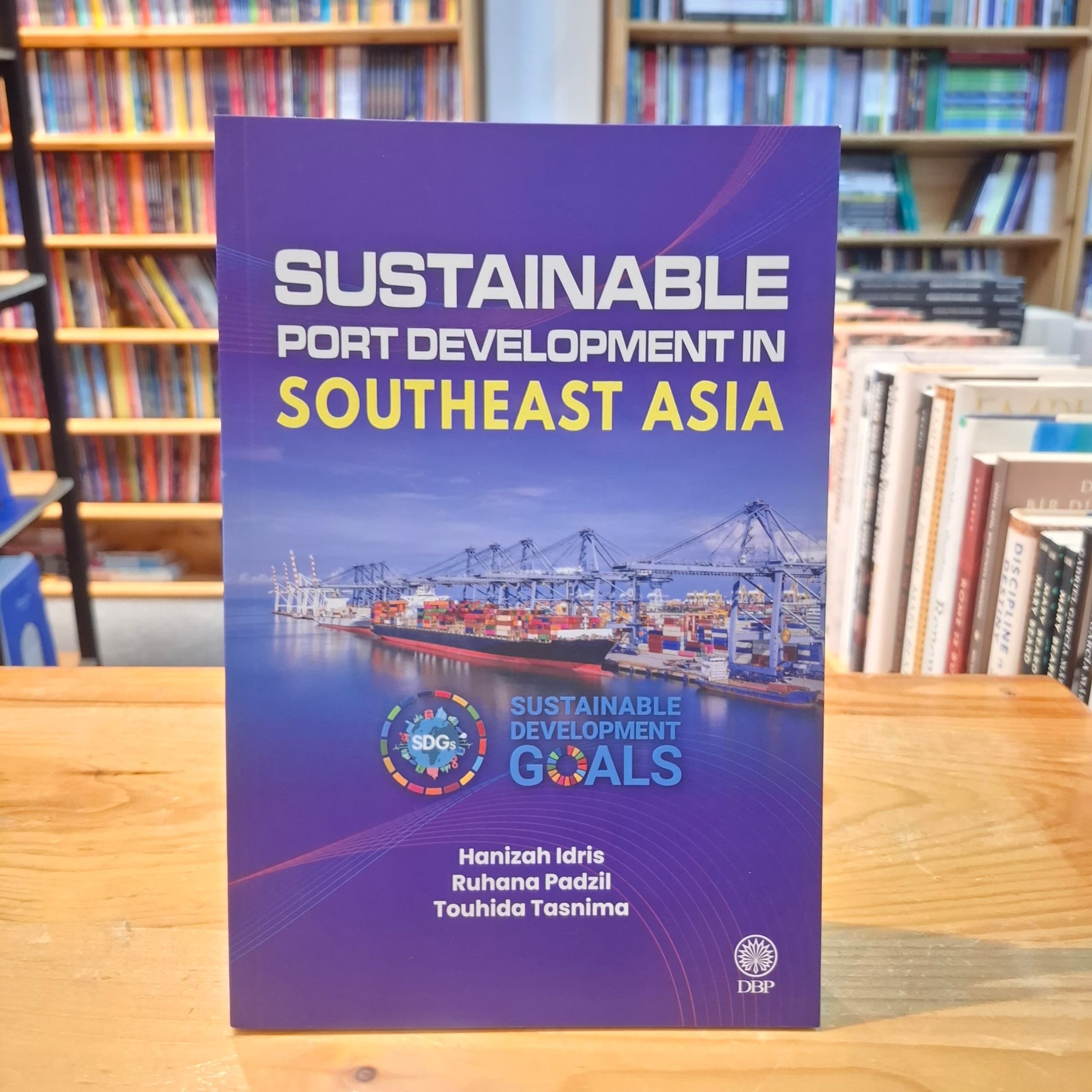
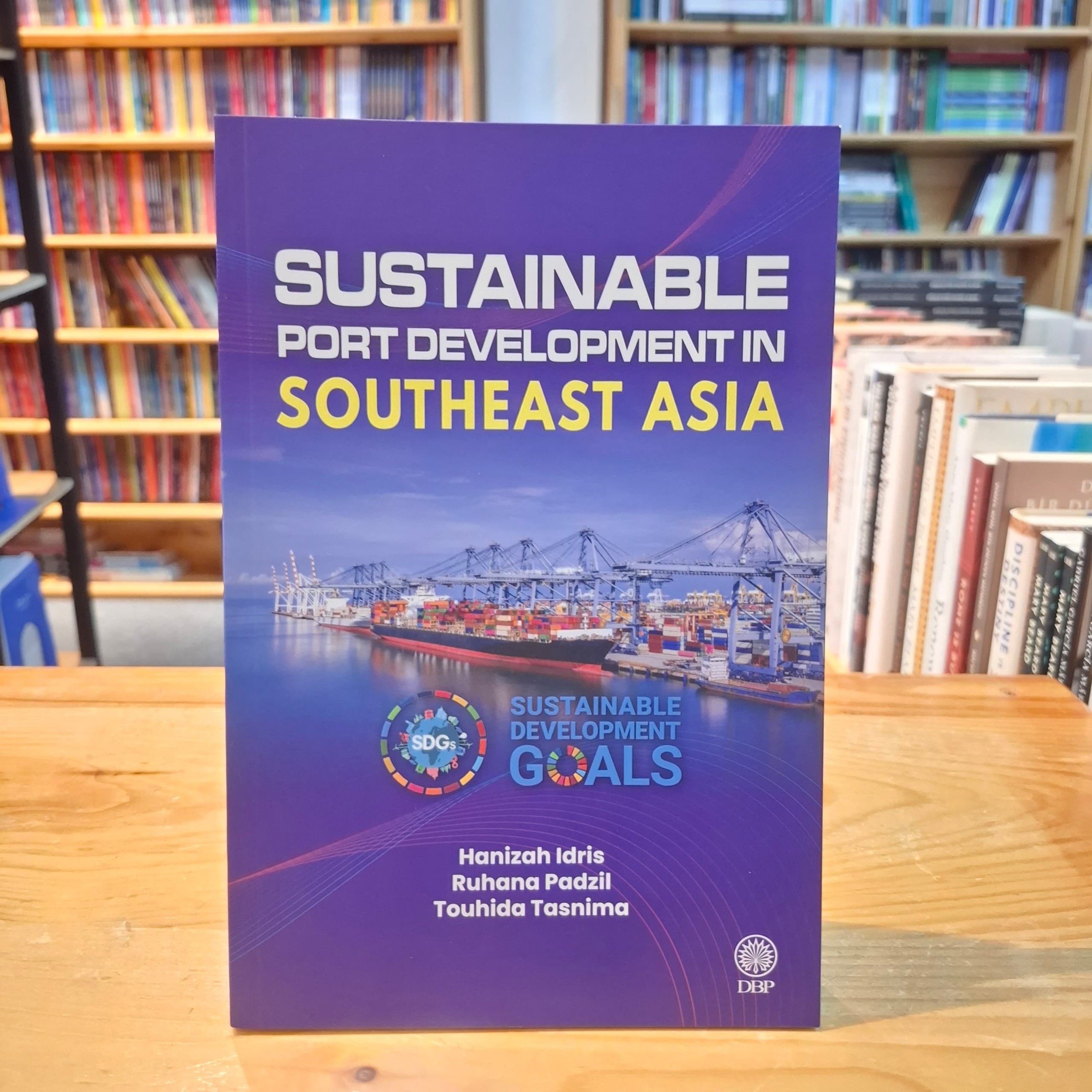
Sustainable Port Development in Southeast Asia
- Regular price
- RM 40.00
- Sale price
- RM 40.00
- Regular price
-
RM 40.00



Share
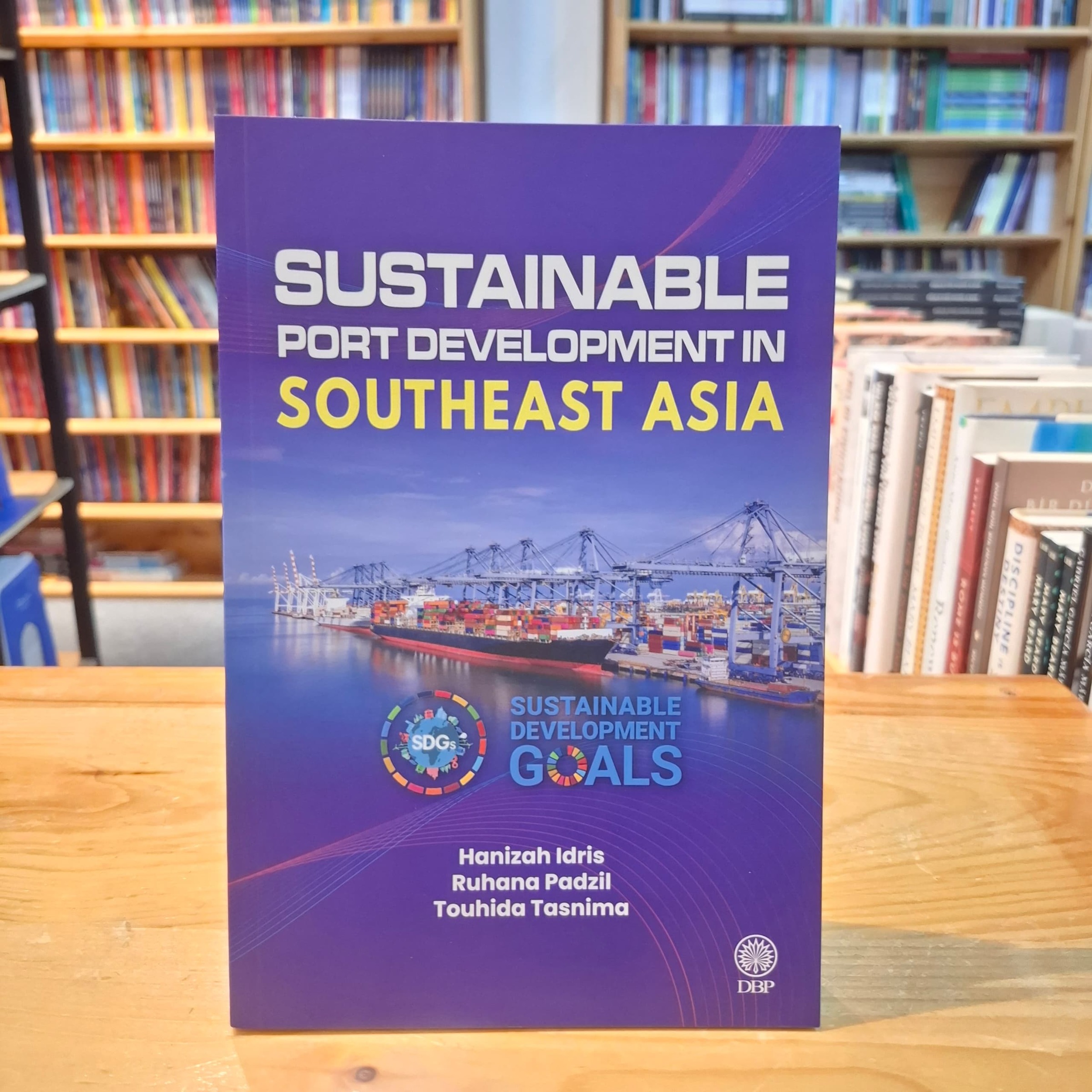
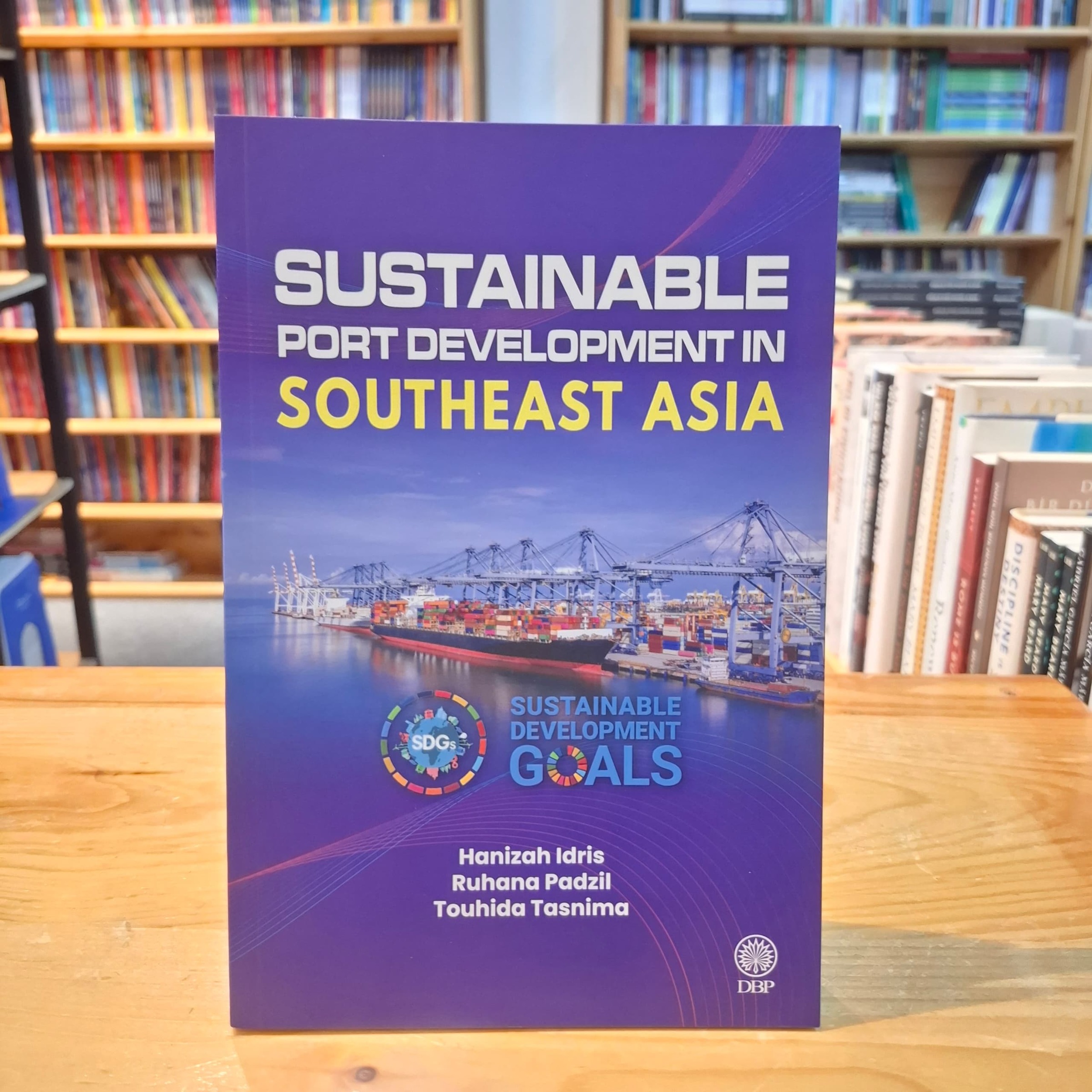
Sustainable Port Development in Southeast Asia
Author: Hanizah Idris, Ruhana Padzil, Touhida Tasnima
Publisher: Dewan Bahasa dan Pustaka
ISBN: 9789834947736
Weight:
Pages:
Year: 2025
Price: RM40
This book focuses on sustainable port development in Southeast Asia by examining its definition, concept, best practices, challenges, opportunities, policies and regulations pertaining to selected Southeast Asian countries. These discussions align with the United Nations Sustainable Development Goals (SDGs). The term sustainable development has gained worldwide acceptance, notably highlighted during the United Nation General Assembly. In 2015, all United Nation Member States adopted 17 SDGs as part of the 2030 Agenda on Sustainable Development. This agenda outlines a 15-year plan aimed at achieving these goals.
Sustainable port development is an eminent issue especially in Southeast Asia. It is important to harmonize the roles and function of ports with SDGs as it has a direct impact on both local and national level for overall economic and social development. Since port emit not only carbon dioxide but also various pollutants through cargo handling equipment, related facilities and berthing vessels, the introduction and diffusion of environment friendly policy in ports are becoming vital.
Therefore, it is critical for countries in the region to strengthen their policies and regulations related to sustainable port development by incorporating best practices from developed countries in Europe, North America, Australia, and emerging economies like China. Embracing their best practices will assist Southeast Asian countries in meeting international standards in the areas of port governance, institutional reform, resilient infrastructure, digitalisation, safety, security and over-all socio-economic aspects of sustainable port development.